
Yoga And Fitness
Introduction
Yoga and fitness are two powerful pillars of a healthy lifestyle. While fitness helps improve strength, endurance, flexibility, and overall physical health, yoga combines physical movement, breathing techniques, and mindfulness to support both body and mind.
Yoga and fitness is very important in our daily life if we skip this we can loose our energy and stamina day by day. So do include yoga and fitness in our daily routine for healthy and happy living.
Yoga and fitness includes some simple yoga poses and breathing exercises like bhastrika, kapalbhati, anulom-vilom, shitali pranayam for daily rush routine and do cycling, swimming, dancing, running or go to gym if possible for regular exercise.
Regular yoga and exercise can help:
- Improve flexibility
- Build strength
- Support heart health
- Improve posture
- Increase energy levels
- Reduce stress
- Improve sleep quality
- Support healthy weight management
- Enhance mental well-being
The key is consistency, not perfection.
What Is Yoga?
Yoga is a mind-body practice that combines physical postures (asanas), breathing techniques (pranayama), and meditation.
Yoga focuses on creating balance between the body and mind.
Benefits of Yoga
Physical Benefits
- Improved flexibility
- Better posture
- Increased mobility
- Improved balance
- Greater body awareness
Mental Benefits
- Stress management
- Improved focus
- Better emotional well-being
- Improved sleep quality
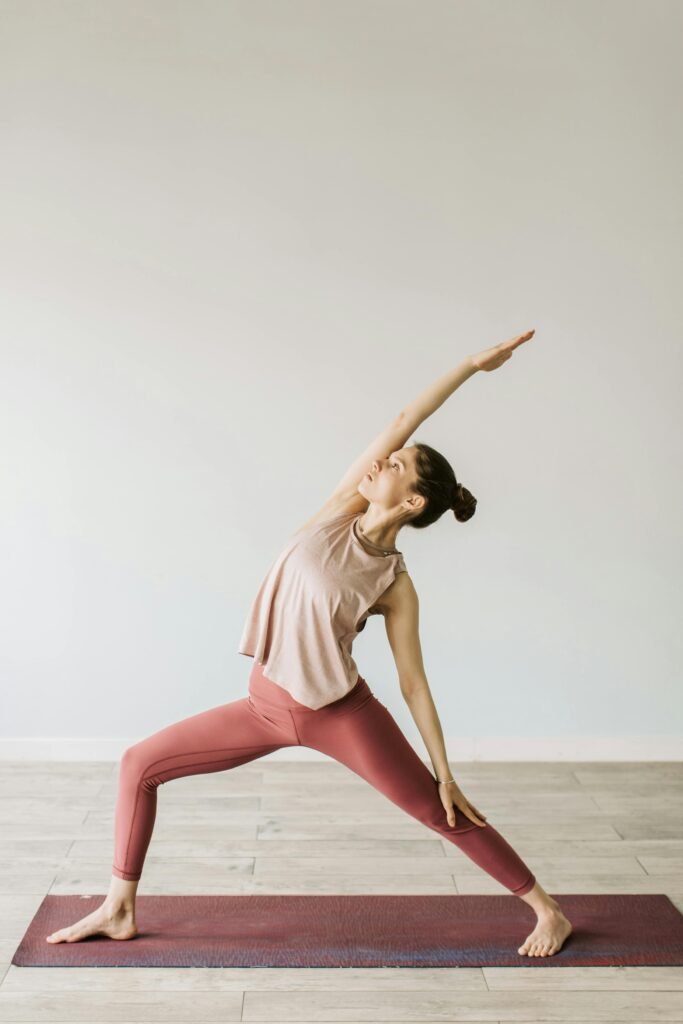
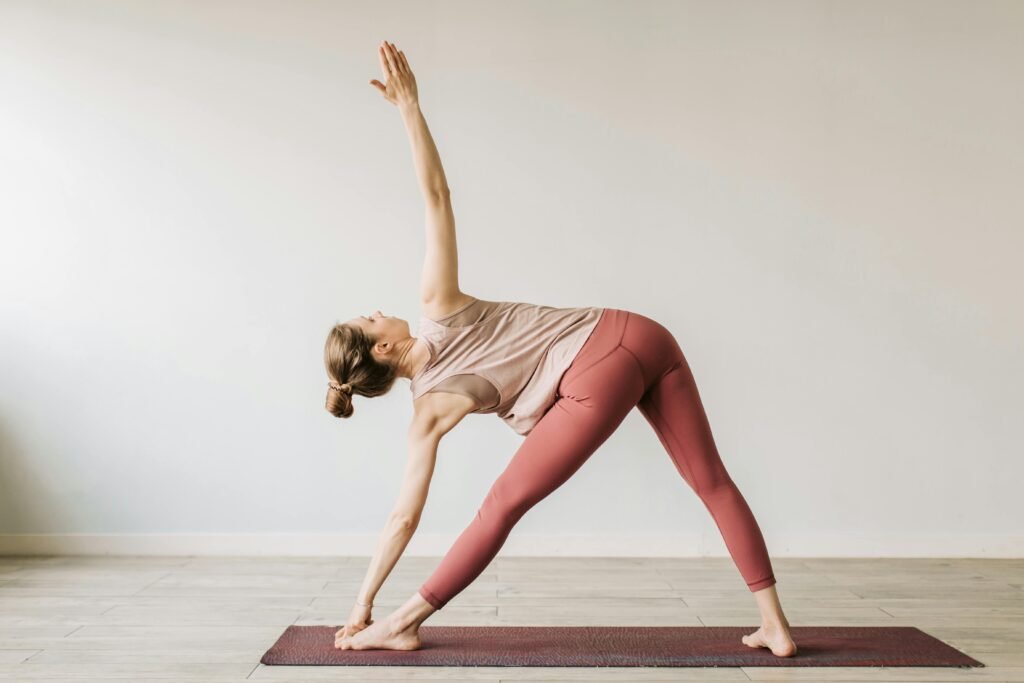
Importance of Yoga And Fitness
Yoga and fitness are important because they improve both physical and mental health. While fitness mainly develops strength, endurance, and overall physical performance, yoga adds flexibility, balance, mobility, and stress management.
1. Improves Physical Health
Regular exercise and yoga help the body function better.
Examples:
- Strength training increases muscle strength and bone density.
- Yoga improves flexibility and joint mobility, reducing stiffness.
2. Helps Maintain Healthy Weight
Physical activity burns calories and helps preserve muscle mass.
Examples:
- Walking or cycling regularly helps manage body fat.
- Combining yoga with exercise can support long-term weight control.
3. Reduces Risk of Disease
An active lifestyle lowers the risk of many chronic health problems.
Examples:
- Regular exercise can reduce the risk of Type 2 Diabetes.
- Physical activity supports heart health and can help lower blood pressure.
4. Improves Mental Health
Exercise and yoga have a strong effect on mood and stress levels.
Examples:
- A workout can reduce stress and improve mood through the release of endorphins.
- Yoga practices such as breathing exercises and meditation can help reduce anxiety.
5. Enhances Flexibility, Balance, and Posture
Yoga is particularly effective for improving movement quality.
Examples:
- Balance poses can improve stability and reduce the risk of falls.
- Stretching and posture-focused exercises can help reduce back and neck discomfort.
6. Increases Energy and Productivity
A fit body generally performs daily tasks more efficiently.
Examples:
- Regular exercise can improve stamina for work and daily activities.
- Yoga can help improve focus and concentration.
7. Promotes Better Sleep
Physical activity and relaxation techniques support healthier sleep patterns.
Examples:
- Moderate exercise can help people fall asleep faster.
- Evening yoga sessions may help calm the mind before bed.
8. Builds Discipline and Healthy Habits
Consistent practice develops self-control and routine.
Examples:
- Following a workout schedule encourages time management.
- A daily yoga practice can create a habit of self-care and mindfulness.
Conclusion
Fitness strengthens the body, while yoga improves flexibility, balance, posture, and mental well-being. Together, they help create a healthier, stronger, and more resilient lifestyle.
Types of Yoga
Best for beginners.
Features
- Slow pace
- Basic poses
- Breathing practice
Suitable For
- Beginners
- Older adults
- People returning to exercise
A more dynamic style where movements flow with the breath.
Benefits
- Improves endurance
- Builds flexibility
Supports cardiovascular fitness
A structured sequence of poses performed in a specific order.
Benefits
- Builds strength
- Improves discipline
- Enhances stamina
Focuses on longer-held stretches.
Benefits
- Deep flexibility
- Relaxation
- Joint mobility
Uses props to support the body in relaxing poses.
Benefits
- Stress reduction
- Recovery
- Relaxation
Beginner Yoga Poses
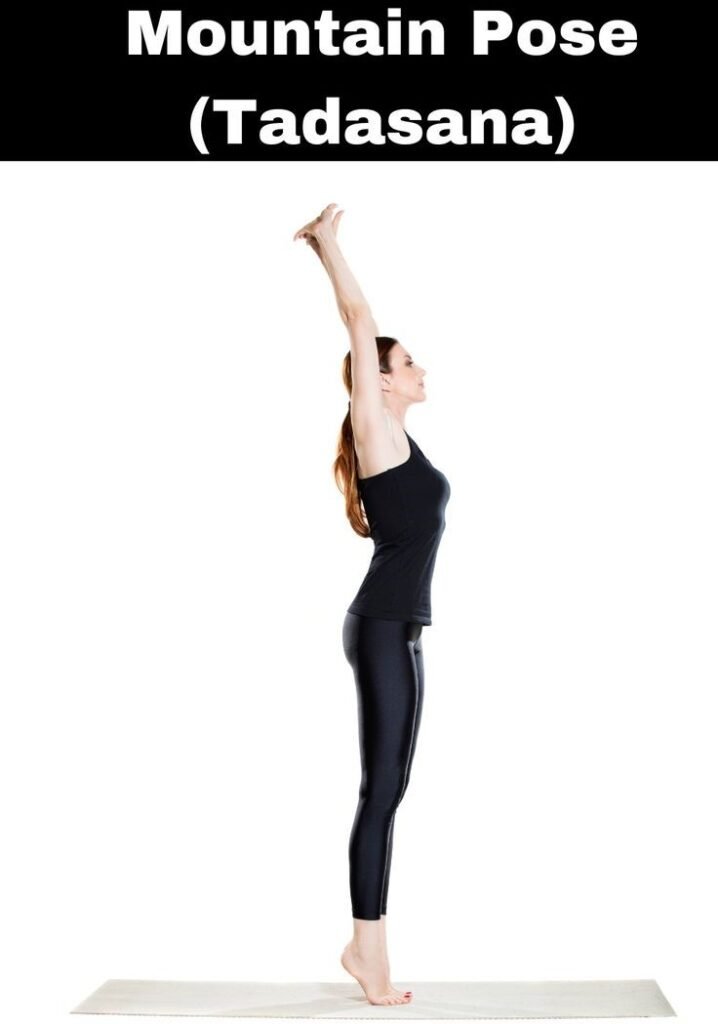
1. Mountain Pose (Tadasana)
Benefits
- Improves posture
- Enhances balance
How To Practice
- Stand tall.
- Keep feet together.
- Relax shoulders.
- Breathe normally.
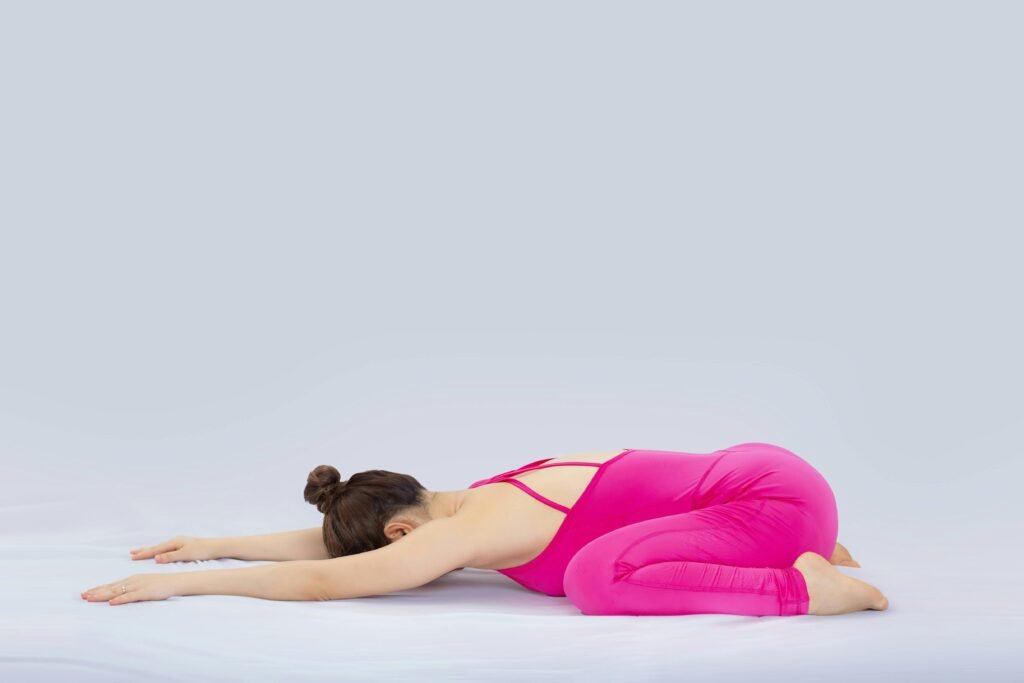
2. Child's Pose (Balasana)
Benefits
- Gentle stretch
- Promotes relaxation
How To Practice
- Kneel on the floor.
- Sit back on your heels.
- Stretch arms forward.
- Rest your forehead down.
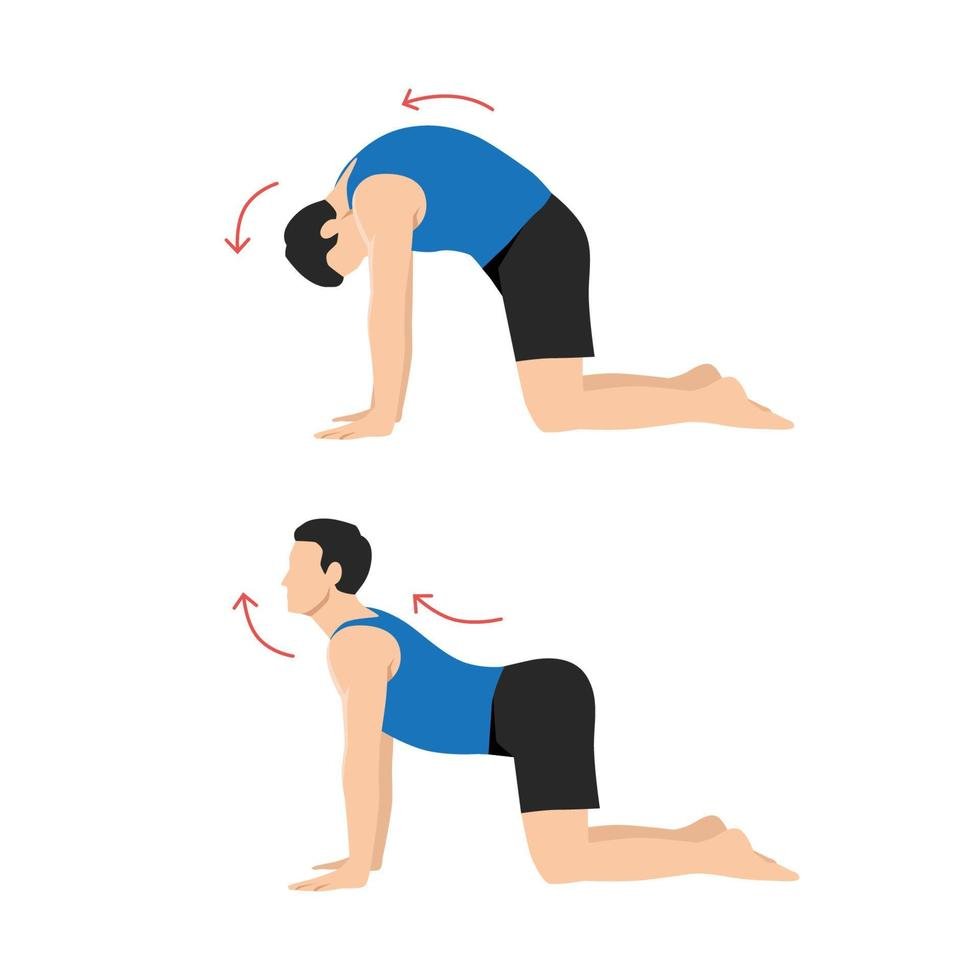
3. Cat-Cow Stretch
Benefits
- Improves spinal mobility
- Reduces stiffness
How To Practice
- Begin on hands and knees.
- Alternate between arching and rounding the back.
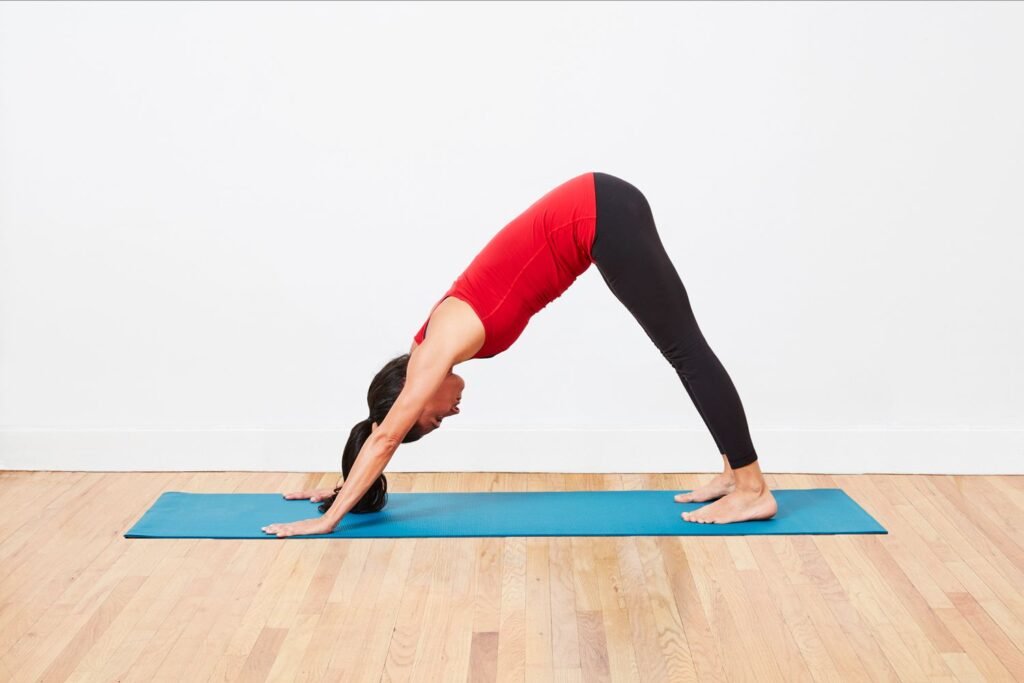
4. Downward-Facing Dog
Benefits
- Stretches the body
- Builds strength
How To Practice
- Lift hips upward.
- Create an inverted V-shape.
- Keep arms and legs engaged.
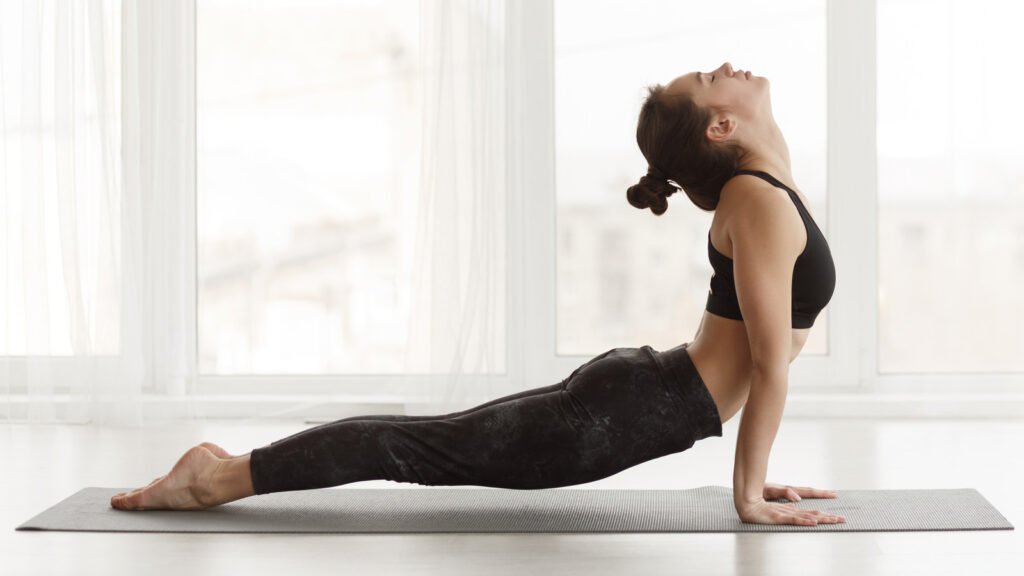
5. Cobra Pose
Benefits
- Strengthens the back
- Opens the chest
How To Practice
- Lie on your stomach.
- Press hands into the floor.
- Lift your chest gently.
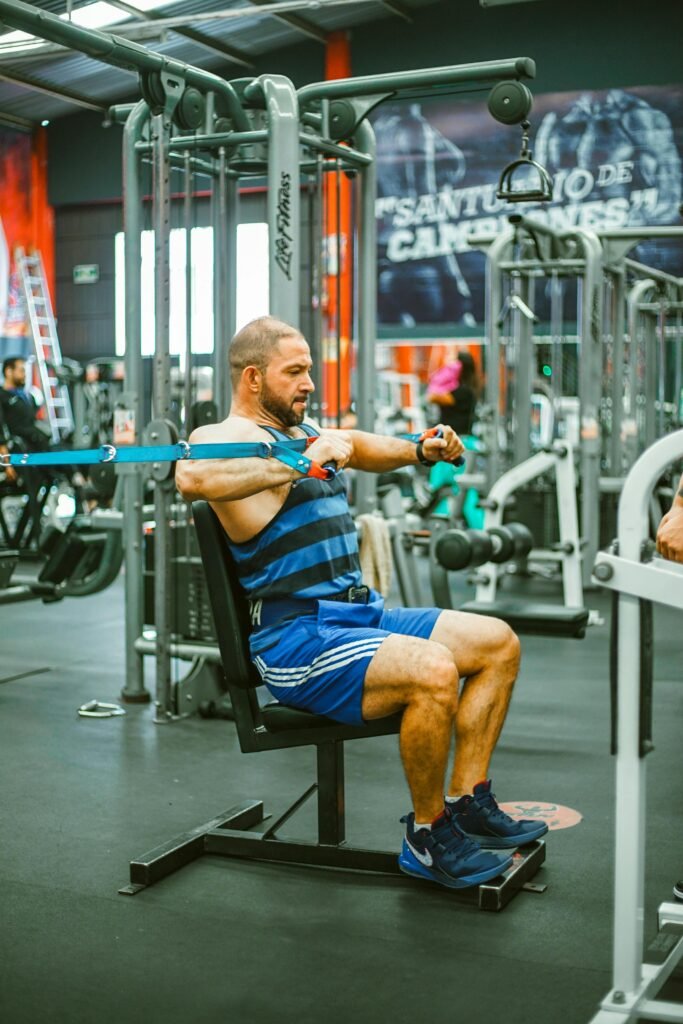
What Is Fitness?
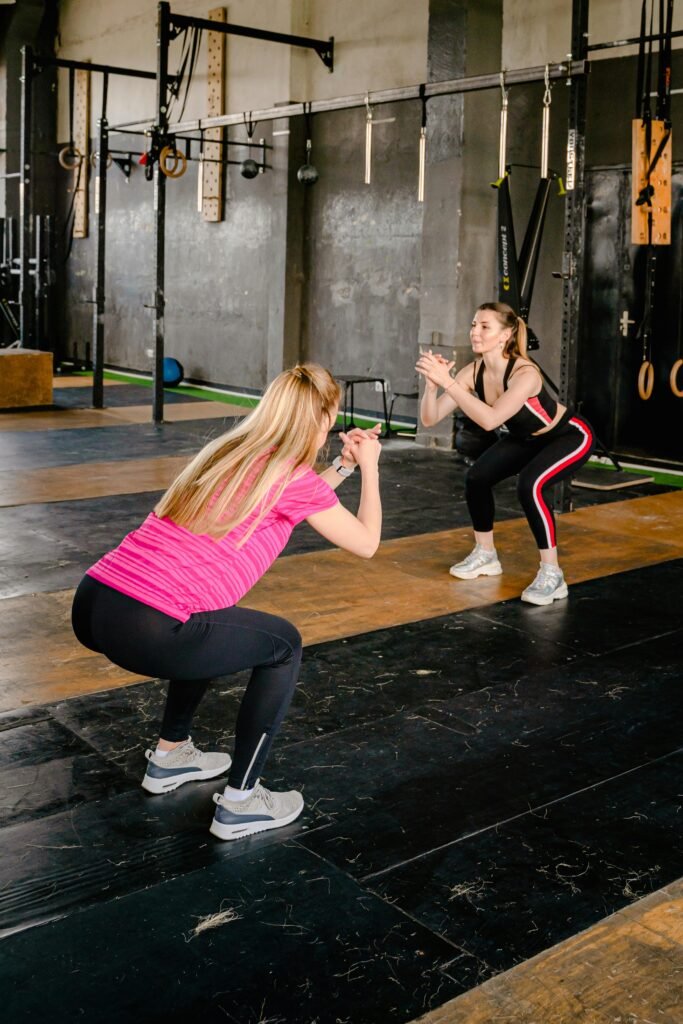
Fitness refers to the body’s ability to perform daily activities efficiently and effectively.
A complete fitness routine includes:
- Strength training
- Cardiovascular exercise
- Flexibility training
- Mobility work
- Recovery


Components of Physical Fitness
1. Strength
Strength helps support daily activities and physical performance.
Examples
- Squats
- Push-ups
Benefits
- Muscle development
- Better posture
- Functional fitness
2. Cardiovascular Endurance
The ability of the heart and lungs to supply oxygen during activity.
Examples
- Walking
- Running
- Cycling
Benefits
- Heart health
Improved stamina
3. Flexibility
The ability of muscles and joints to move through a range of motion.
Examples
- Yoga
- Stretching
Benefits
- Improved mobility
Reduced stiffness
4. Balance
Helps maintain body control.
Benefits
- Reduced fall risk
Improved coordination
Beginner Home Workout Plan
Warm-Up (5 Minutes)
- March in place
- Arm circles
- Shoulder rolls
Workout
Squats
3 sets of 10 repetitions
Wall Push-Ups
3 sets of 10 repetitions
Lunges
2 sets of 10 repetitions per leg
Glute Bridges
3 sets of 12 repetitions
Plank
20–30 seconds
Cool Down
- Gentle stretching
- Deep breathing
Duration: 5–10 minutes