
Nutrition: The Foundation of Good Health
What Is Nutrition?
Nutrition is the process by which the body obtains and uses nutrients from food for growth, energy, repair, and overall health.
Every food we eat provides nutrients that help our body function properly. A balanced diet ensures that the body receives the right amount of carbohydrates, proteins, fats, vitamins, minerals, fiber, and water.
Good nutrition supports:
- Strong immunity
- Healthy weight management
- Better digestion
- Improved energy levels
- Strong bones and muscles
- Better mental performance
Reduced risk of chronic diseases
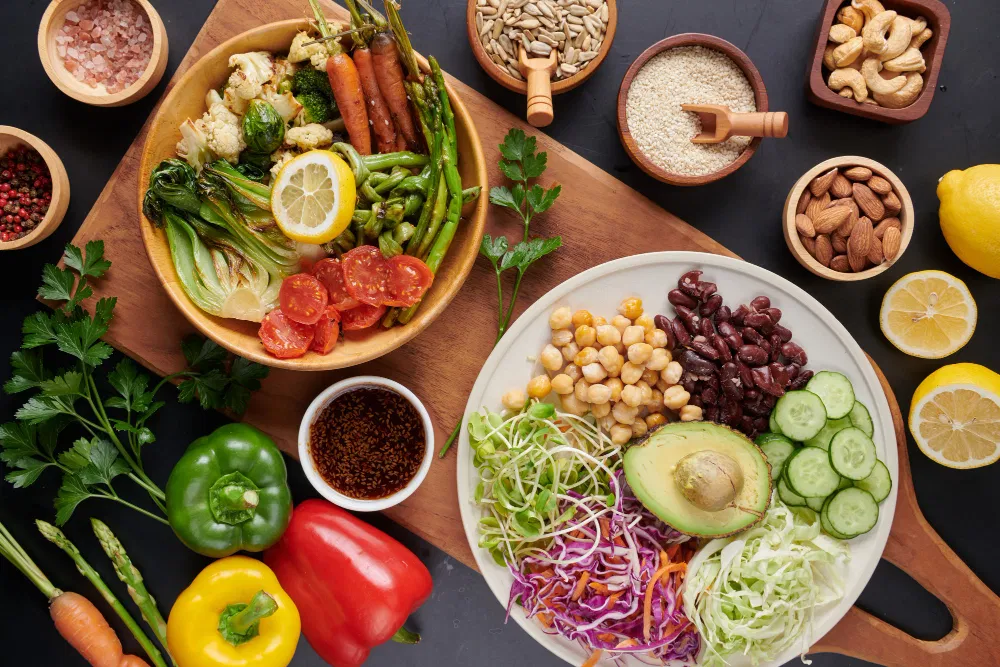
The 7 Essential Nutrients
1. Carbohydrates
Carbohydrates are the body’s primary source of energy.
When consumed, carbohydrates are broken down into glucose, which is used by the body and brain for fuel.
Functions
- Provides energy
- Supports brain function
- Fuels physical activity
Healthy Sources
- Oats
- Brown rice
- Whole wheat
- Millets
- Fruits
- Sweet potatoes
Sources to Limit
- Sugary drinks
- Candy
- Excessively processed snacks
Daily Recommendation
Carbohydrates typically make up a significant portion of a balanced diet, though exact needs vary.
2. Protein
Protein is essential for growth, repair, and maintenance of body tissues.
Functions
- Builds muscles
- Repairs tissues
- Supports immune function
- Helps maintain healthy skin and hair
Vegetarian Sources
- Lentils
- Chickpeas
- Kidney beans
- Soy products
- Paneer
- Dairy products
Non-Vegetarian Sources
- Eggs
- Fish
- Chicken
Signs of Low Protein Intake
- Fatigue
- Muscle weakness
- Slow recovery from exercise
3. Healthy Fats
Fats are often misunderstood. The body needs healthy fats for many important functions.
Functions
- Energy storage
- Hormone production
- Nutrient absorption
- Brain function
Healthy Sources
- Almonds
- Walnuts
- Flaxseeds
- Chia seeds
- Avocados
- Olive oil
Limit
- Excessively fried foods
- Foods high in trans fats
4. Fiber
Fiber is important for digestive health.
Benefits
- Supports regular bowel movements
- Helps maintain satiety
- Supports gut health
High-Fiber Foods
- Fruits
- Vegetables
- Whole grains
- Beans
- Lentils
Practical Goal
Include fiber-rich foods throughout the day.
5. Vitamins
Vitamins help regulate many body processes.
They are needed in small amounts but are essential for health.
Vitamin A
Functions
- Supports vision
- Supports immune function
Food Sources
- Carrots
- Sweet potatoes
Spinach
Vitamin B Complex
Functions
- Energy metabolism
- Nervous system support
Sources
- Whole grains
- Eggs
- Dairy
- Legumes
Vitamin C
Functions
- Supports immune function
- Helps with collagen formation
Sources
- Oranges
- Guava
- Amla
- Bell peppers
Vitamin D
Functions
- Supports bone health
- Helps regulate calcium
Sources
- Sunlight exposure
- Fortified foods
Fatty fish
Vitamin E
Functions
- Antioxidant activity
Sources
- Nuts
- Seeds
Vitamin K
Functions
- Supports blood clotting
- Supports bone health
Sources
Green leafy vegetables
6. Minerals
Minerals are nutrients needed for many body functions.
Calcium
Functions
- Bone health
- Muscle function
Sources
- Dairy products
- Tofu
- Leafy greens
Iron
Functions
- Oxygen transport
Sources
- Lentils
- Beans
- Spinach
Meat
Magnesium
Functions
- Muscle and nerve function
Sources
- Nuts
- Seeds
- Whole grains
Zinc
Functions
- Immune support
Sources
- Legumes
- Nuts
Seeds
Potassium
Functions
- Fluid balance
- Muscle function
Sources
- Bananas
- Potatoes
Beans
7. Water
Water is essential for life.
Functions
- Regulates body temperature
- Supports digestion
- Helps transport nutrients
- Supports physical performance
Hydration Tips
- Drink water regularly.
- Increase intake during hot weather or exercise.
Superfoods Section
Create a dedicated category called “Superfoods”.
Amla
Benefits
- Rich in vitamin C
- Supports overall nutrition
Ways to Use
- Fresh
- Juice
- Powder
Flaxseeds
Benefits
- Source of omega-3 fats
- Contains fiber
How to Use
- Add to smoothies
- Sprinkle on oatmeal
Chia Seeds
Benefits
- Fiber source
- Contains healthy fats
How to Use
- Add to yogurt
Use in puddings
Turmeric
Benefits
- Contains curcumin
- Widely used in cooking
How to Use
- Curries
- Soups
- Milk-based beverages
Moringa
Benefits
- Nutrient-rich plant
How to Use
- Powder
- Smoothies
Common Nutrition Mistakes
Skipping Meals
May lead to overeating later for some people.
Eating Too Few Vegetables
Vegetables provide important nutrients and fiber.
Relying on Processed Foods
Processed foods are often less nutrient-dense than whole foods.
Not Drinking Enough Water
Hydration is important for overall health.
Following Extreme Diets
Restrictive diets can make it difficult to meet nutrient needs.
Balanced Plate Method
A simple way to build meals:
🥗 Half Plate
- Vegetables and salad
🍚 Quarter Plate
- Whole grains or other carbohydrate foods
🥚 Quarter Plate
- Protein foods
This approach helps create balanced meals without counting calories.
Nutrition FAQ
What is the most important nutrient?
No single nutrient is the “most important.” A balanced diet provides a variety of nutrients that work together to support health.
Are carbohydrates bad?
No. Whole-food carbohydrate sources such as fruits, vegetables, whole grains, and legumes can be part of a healthy diet.
Do I need supplements?
Some people may benefit from supplements, but needs vary. It’s best to seek advice from a qualified healthcare professional before using supplements.
How much protein do I need?
Protein needs vary based on age, body size, activity level, and health status.